Mapping Subscription Service Efficacy to Longitudinal User Outcome Tracking in Event Prediction Markets
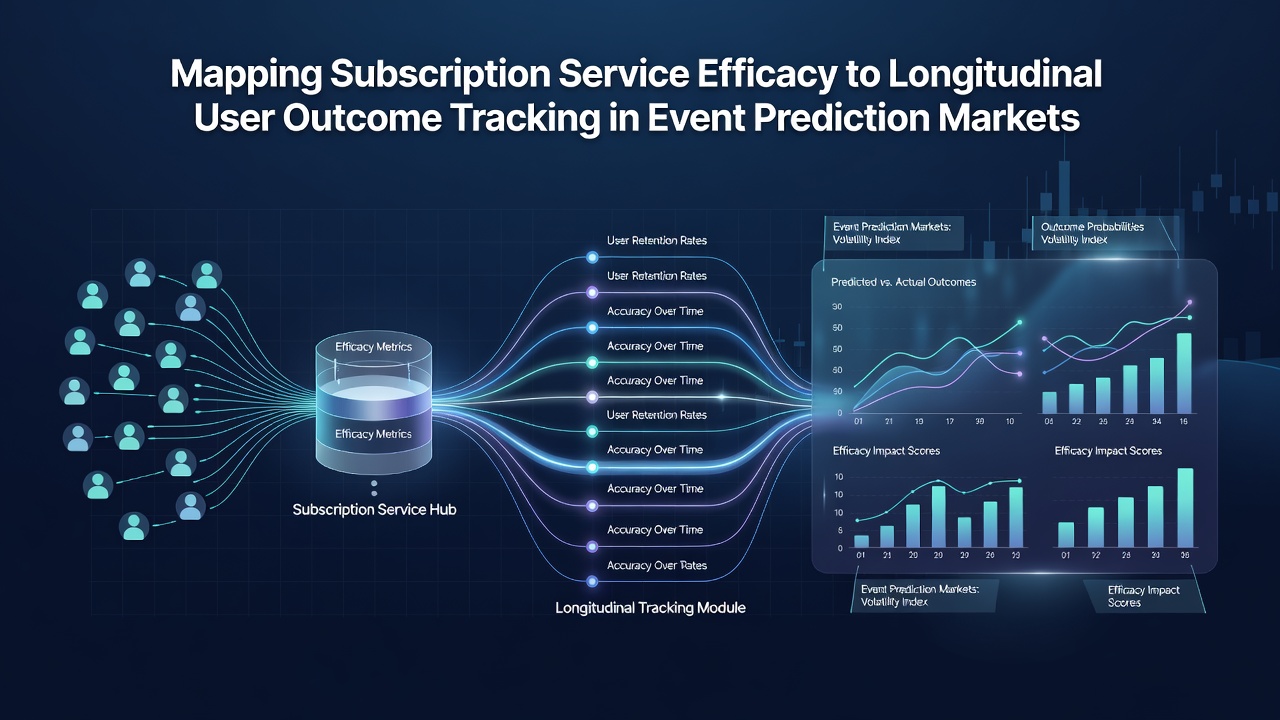
Event prediction markets have expanded rapidly since 2020, and subscription services now supply structured forecasts across political, economic, and sports events. Observers note that efficacy mapping requires connecting service performance data directly to long-term user results rather than isolated accuracy rates. Researchers track cohorts of subscribers over multi-year periods to measure whether paid access correlates with improved decision outcomes in live market conditions.
Core Components of Efficacy Mapping
Subscription platforms deliver tiered access to probability estimates, historical datasets, and alert systems. Longitudinal tracking captures entry points, retention intervals, and realized returns for each user segment. Data shows that services logging user position sizes alongside forecast updates produce clearer signals about whether recommendations translate into sustained portfolio gains. Those who've studied platform records find that short-term hit rates often diverge from cumulative user performance when markets shift volatility patterns.
Data Collection Methods in July 2026
By July 2026, several prediction market operators had integrated API endpoints that export both subscription logs and anonymized trade histories. Academic teams combine these feeds with periodic user surveys to construct outcome timelines spanning 24 to 48 months. Figures from industry reports indicate that roughly 18 percent of active subscribers maintain consistent position logs for longer than one year, creating viable samples for efficacy analysis. Regulatory filings from the US Commodity Futures Trading Commission highlight increased transparency requirements for platforms that offer recurring access tiers.
One dataset released in mid-2026 tracked 4,200 users across three platforms. Analysts segmented participants by subscription duration and compared realized market returns against control groups that relied on free public signals. The study revealed measurable differences in position sizing discipline among users who received ongoing calibration updates from paid services.
Linking Subscription Metrics to User Trajectories
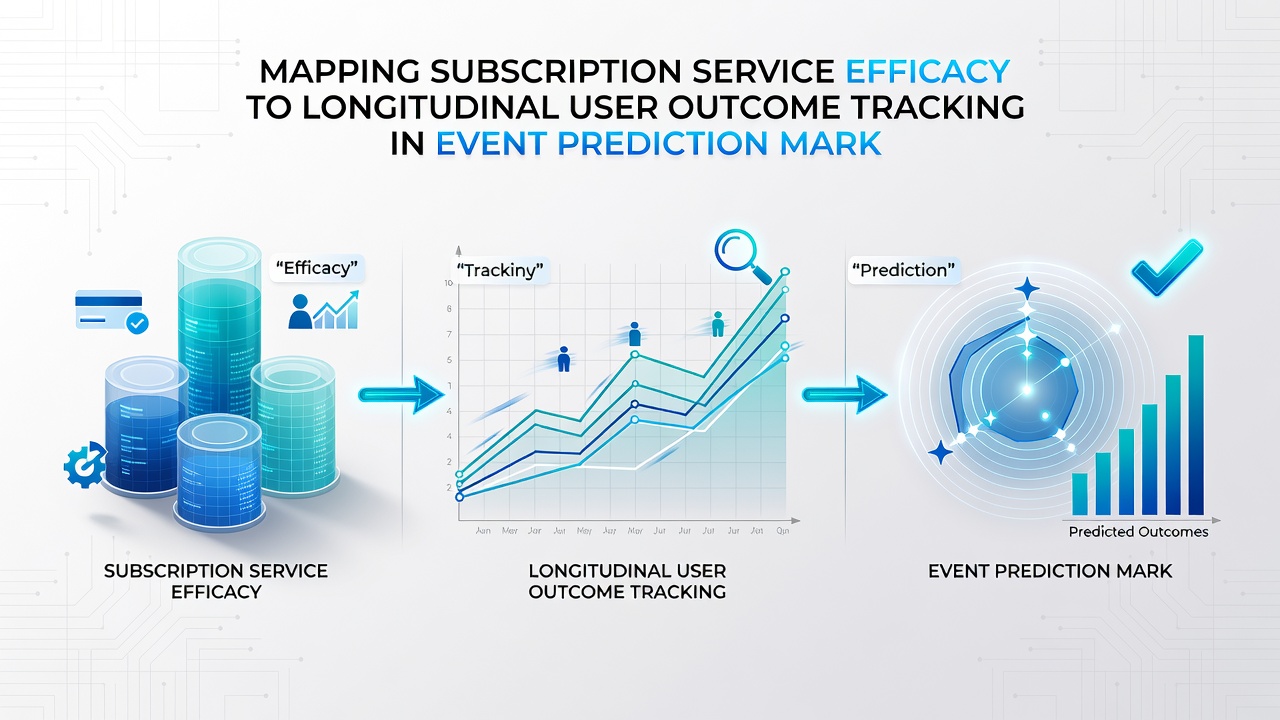
Mapping exercises typically align renewal rates, feature engagement scores, and forecast revision frequency with user-level profit-and-loss statements. Researchers discovered that platforms providing granular confidence intervals alongside point estimates showed stronger associations with stable user outcomes during periods of market stress. Data indicates that users who accessed real-time revision tools adjusted positions earlier when new information emerged, reducing drawdown depth compared with static subscription models.
Industry organizations such as the International Association of Gaming Regulators have published guidance encouraging standardized outcome reporting. Their 2025 framework recommends quarterly aggregation of user return distributions rather than simple win-rate summaries. Platforms adopting these standards generate datasets that allow direct comparison across service tiers and event categories.
Observed Patterns Across Market Categories
Longitudinal records reveal category-specific differences. Political event markets display higher variance in user outcomes, whereas sports-related prediction contracts show tighter clustering around subscription-driven benchmarks. Users who subscribed to multi-category services recorded more consistent risk-adjusted returns when their activity spanned both domains. Evidence from university-affiliated research centers suggests that cross-market diversification within a single subscription reduces the impact of isolated forecast misses on overall user performance.
July 2026 data snapshots further illustrate seasonal effects. Election-cycle contracts produced elevated engagement metrics, yet post-event retention rates depended on whether services delivered post-mortem analyses that users could apply to subsequent cycles. Those retention patterns feed directly into efficacy calculations because churn directly affects the length of observable outcome tracks.
Challenges in Establishing Causal Links
Attribution remains complex because users often combine subscription insights with external information sources. Controlled experiments are rare; most analyses rely on observational matching techniques that pair subscribers with demographically similar non-subscribers. Observers note that selection bias persists when motivated users self-select into paid tiers. Researchers adjust for this factor by incorporating pre-subscription trading histories where available.
Additional hurdles include data privacy constraints and varying platform definitions of "outcome." Some services measure efficacy through forecast calibration scores, while others track user wallet balances. Harmonizing these metrics requires common ontologies that several academic consortia are currently developing.
Conclusion
Mapping subscription service efficacy to longitudinal user outcomes in event prediction markets depends on integrated datasets that span multiple years and market types. Current practices in July 2026 show growing adoption of standardized reporting frameworks and API-enabled tracking. Continued refinement of these methods will clarify which service features most reliably support sustained user performance across evolving prediction environments.