Rest Day Differentials Meet Equine Recovery Data and Player Endurance Metrics in Multi-Discipline Selection Planning

Rest Day Differentials in Context
Rest day differentials refer to variations in recovery intervals assigned across different athletic disciplines and equine participants, and these intervals shape selection decisions when events span multiple sports. Data from various training programs show that horses require specific rest periods after intense efforts while human athletes follow endurance benchmarks that adjust based on cumulative load. Researchers track these patterns to align schedules that prevent overexertion across combined events.
Equine Recovery Patterns and Supporting Data
Studies on equine physiology indicate that muscle glycogen replenishment in horses completes within 48 to 72 hours after high-intensity activity, and blood lactate levels return to baseline faster when rest intervals include light walking rather than full stall rest. Veterinary records compiled by the University of Melbourne equine research group reveal that horses competing in consecutive days exhibit elevated creatine kinase markers unless rest days extend beyond 96 hours in some cases. Observers note that these metrics vary by breed, age, and prior workload, which planners incorporate when building multi-discipline calendars.
Additional findings from Canadian veterinary databases highlight that hydration status and heart rate variability improve most effectively after two full rest days for animals aged seven years and older. Those who manage equine teams adjust rest differentials accordingly, because shorter intervals correlate with higher injury rates in longitudinal records. Data from summer competition cycles demonstrate that recovery timelines lengthen when ambient temperatures exceed 30 degrees Celsius, prompting planners to insert extra buffer days in July schedules.
Player Endurance Metrics Across Disciplines
Human athlete monitoring systems collect data on metrics such as VO2 max, sleep efficiency, and neuromuscular fatigue scores, and these numbers guide rest allocations in selection processes. Research conducted through Sports Science Australia shows that athletes in multi-discipline programs maintain optimal performance when rest days account for both primary and secondary sport demands. Endurance markers collected via wearable devices indicate that sleep disturbances increase when rest intervals fall below 36 hours between events of differing intensities.
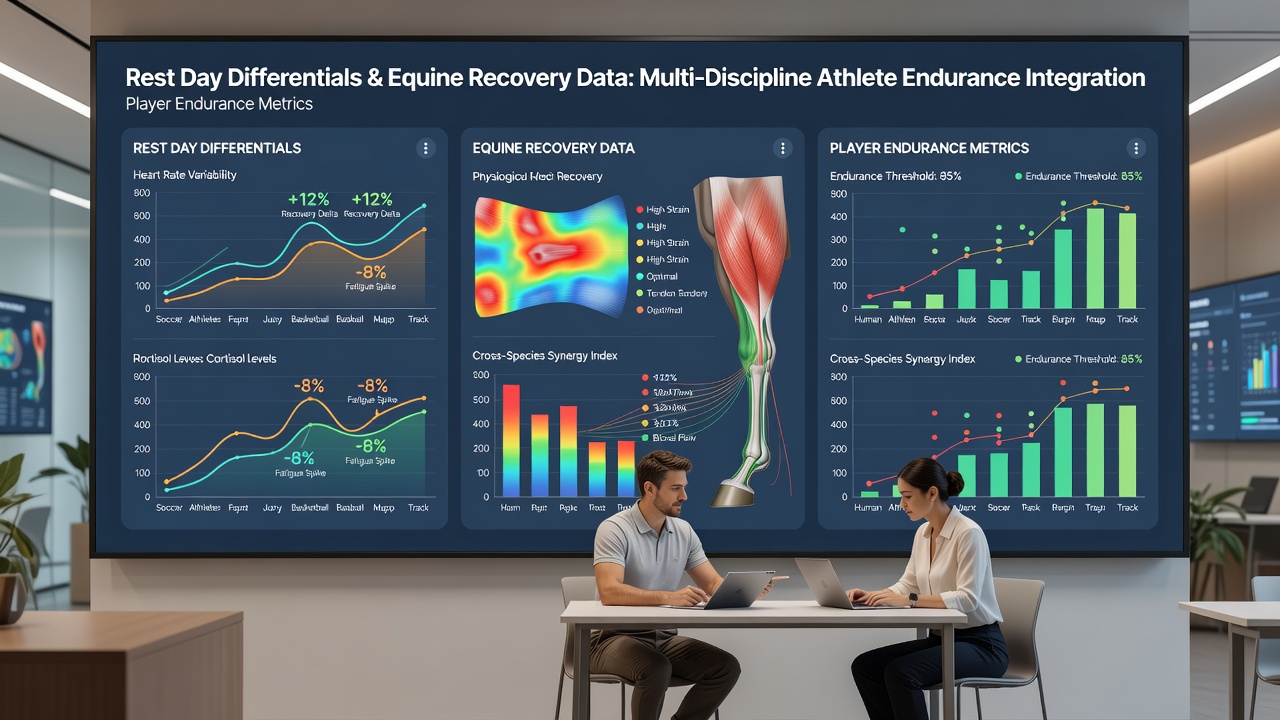
Coaches integrate these figures with equine recovery timelines because shared travel and training facilities create overlapping stress factors. Records from July 2026 preparations for combined equestrian and endurance events show that selection panels used combined datasets to extend rest windows for both riders and horses when cumulative training loads exceeded established thresholds. Teams that synchronized these metrics reported fewer last-minute withdrawals due to fatigue indicators.
Integration in Multi-Discipline Selection Planning
Selection committees combine equine recovery timelines with player endurance metrics through centralized databases that flag potential conflicts in proposed schedules. Analysts cross-reference heart rate recovery times in athletes against muscle enzyme trends in horses, and they adjust event sequencing when both datasets indicate elevated risk. In practice, planners insert differential rest periods that allow horses 72 hours while human participants receive 48 hours, or vice versa, depending on individual profiles.
Programs operating in July 2026 incorporated real-time sensor feeds from both equine and human subjects to refine these decisions. The approach requires continuous data streams because environmental variables such as humidity and travel duration alter recovery curves. Those who oversee multi-discipline calendars maintain protocols that trigger automatic rest extensions once thresholds are crossed in either equine or athlete datasets.
Conclusion
Rest day differentials aligned with equine recovery data and player endurance metrics support more precise selection outcomes in multi-discipline environments. Organizations that maintain integrated tracking systems continue to refine these methods through ongoing collection of physiological markers. The patterns observed through 2026 underscore the value of coordinated rest planning across species and sport types.