Unraveling Fixture Congestion Effects on Squad Depth and Result Patterns in Domestic Leagues
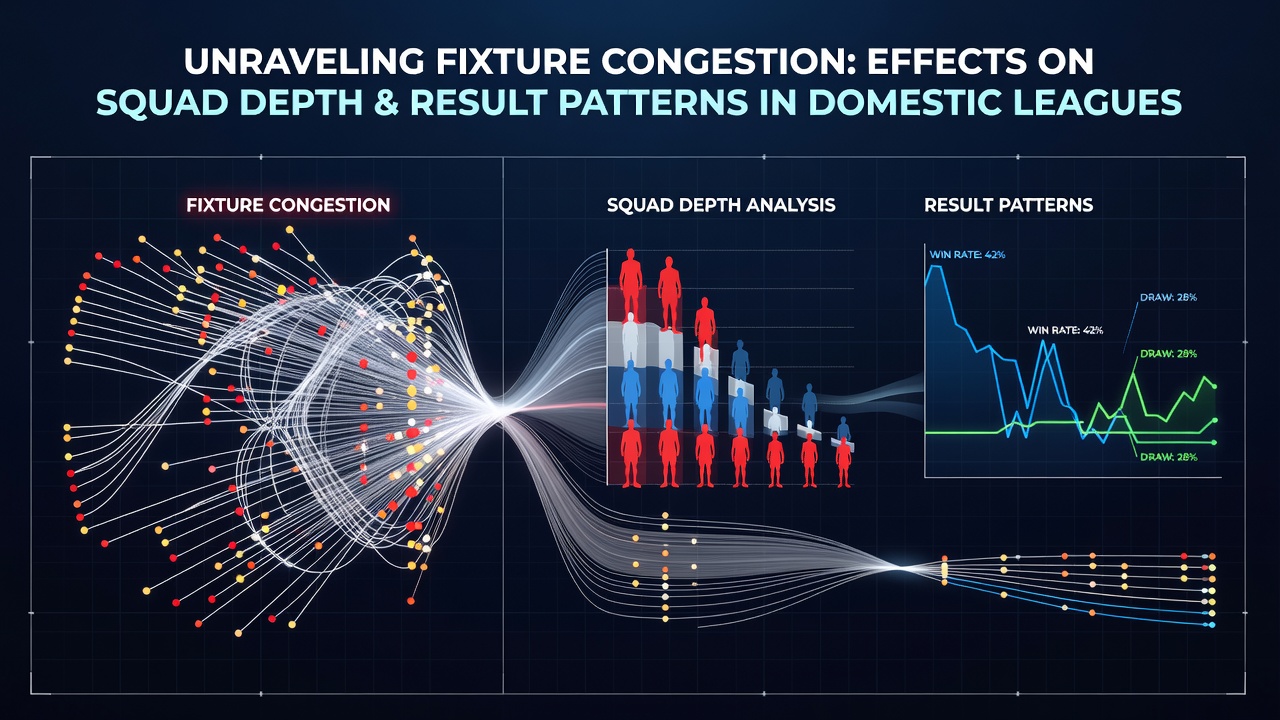
Domestic football leagues across Europe and beyond experience fixture congestion when clubs compete in multiple competitions simultaneously, and this overlap forces teams to balance league fixtures with cup ties or continental matches. Researchers tracking player workloads note that periods of three or more games within seven days appear regularly in the Premier League, Bundesliga, La Liga, Serie A and Ligue 1 schedules, especially between October and December as well as March and May. Data compiled by the European Club Association shows that top-division sides often play 50 to 60 matches per season when all fronts remain active, a total that stretches squad resources and alters how results unfold week after week.
Squad Depth Under Pressure
Coaches rely on squad depth to maintain performance levels when matches pile up, yet the distribution of minutes among squad players reveals clear patterns. Mid-table clubs with thinner benches tend to suffer greater dips in key metrics such as distance covered and high-intensity sprints during congested blocks. A 2025 study published by the German Sport University Cologne examined Bundesliga teams and found that players logging more than 300 minutes across a 14-day window recorded a 12 percent increase in soft-tissue injuries compared with those under 240 minutes. Larger squads at clubs with deeper resources rotate more effectively, and those sides preserve win rates closer to their season averages even when the calendar tightens.
July 2026 preparations highlight another layer of complexity, because many leagues release provisional schedules that include early rounds of domestic cups before the summer transfer window closes. Clubs therefore assess squad depth months in advance, signing versatile players who can cover multiple positions to mitigate the risk of fixture pile-ups later in the campaign.
Result Patterns Across Leagues
Result patterns shift noticeably once congestion intensifies. Home advantage, measured by win percentage at home grounds, declines by roughly four to seven points during blocks of four fixtures in 12 days according to figures released by the Italian Football Federation’s technical observatory. Draws become more frequent because fatigued squads adopt lower-risk tactics that reduce open play and increase set-piece reliance. Away teams, often rested relative to their opponents, secure points at a higher rate than their season-long average, a trend documented in both the English Championship and the Dutch Eredivisie over the past five completed seasons.
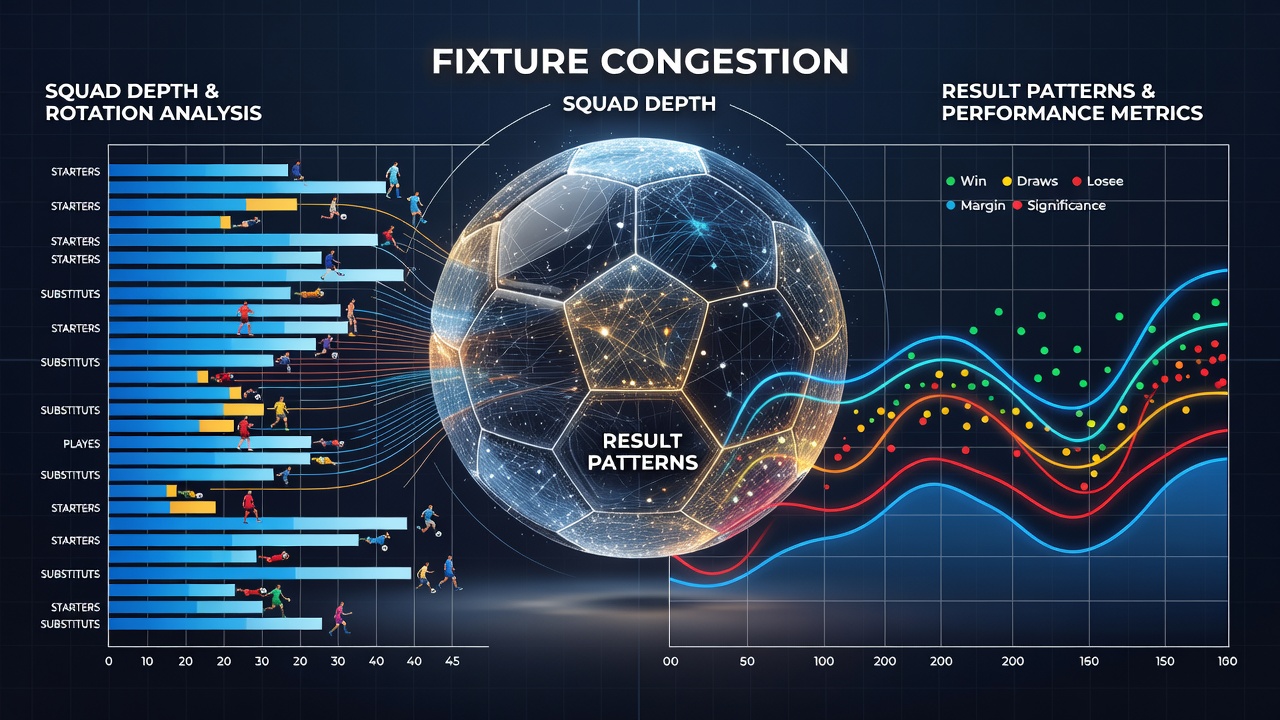
Observers tracking goal timing note that second-half scoring drops during congested periods, while the incidence of goals from set pieces rises. This pattern emerges because teams conserve energy and limit transitions, a tactical adjustment confirmed through video analysis conducted by the French Football Federation’s performance unit. Upsets also increase, as squads missing key starters through rotation or minor injuries concede ground to lower-placed opponents who enter matches with fresher legs.
Regional Variations and Data Insights
Leagues adopt different mitigation strategies that influence outcomes. The Bundesliga’s winter break provides a natural recovery window that reduces injury spikes compared with the continuous schedule in England, yet the tighter Christmas period still produces measurable effects on points-per-game tallies. Serie A sides historically schedule more evening kick-offs during congested stretches, and medical staff there report higher usage of recovery protocols such as cryotherapy and tailored nutrition plans. In contrast, MLS teams face congestion primarily in the autumn playoff push, where data from the league’s sports science department indicates that teams advancing deep into the postseason show elevated muscle-injury rates once they return to regular-season play the following March.
Academic work from the University of Queensland’s School of Human Movement and Nutrition Sciences examined longitudinal data across five major European leagues and concluded that clubs finishing in the top four positions maintain squad depth above a critical threshold of 18 players with at least 1,000 minutes of league action. Teams falling below this benchmark experience steeper declines in points accumulated during March and April congestion windows. Those findings align with performance reports issued by the Asian Football Confederation, which track similar squad-management challenges in the AFC Champions League group stages that overlap with domestic calendars.
Conclusion
Fixture congestion continues to shape both squad management and competitive outcomes in domestic leagues worldwide. Clubs with greater squad depth sustain performance more consistently, while result patterns reflect increased draws, reduced home dominance and higher upset frequency during peak periods. Data from governing bodies and independent research institutions provide measurable evidence that these effects persist across seasons, guiding how teams prepare schedules and medical strategies ahead of future campaigns including the 2026-2027 cycle.