User Journeys Through Prediction Platforms Show Evolution in Multi-Event Selection Techniques
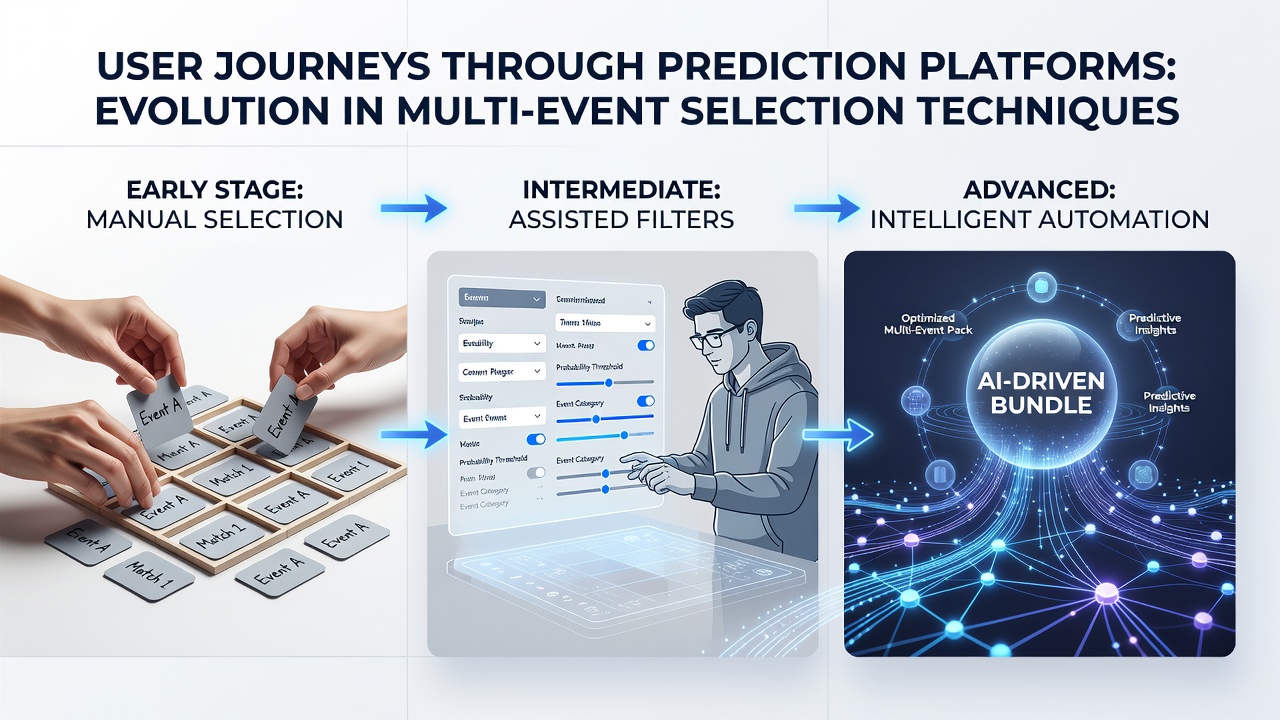
Prediction platforms have tracked shifts in how users build selections involving multiple events, and data from recent years reveals clear patterns in technique development. Users once relied on basic combinations of outcomes, yet by July 2026 platform records indicate movement toward layered approaches that incorporate statistical filters, cross-market correlations, and sequential decision points. These journeys unfold through interfaces that log each choice, from initial event picks to final confirmation steps, allowing analysts to map progression over time.
Early Patterns in Platform Usage
Initial adoption phases on these platforms featured straightforward pairings, where participants selected two or three related outcomes within a single sport or category. Records from major operators show that early multi-event builders focused on high-probability clusters, often limited to same-day fixtures or closely timed results. Researchers at institutions such as the Responsible Gambling Council in Canada have documented how interface designs encouraged incremental additions, leading users to expand selections gradually as familiarity increased. This phase established foundational habits that later evolved into more intricate frameworks.
Transition to Data-Informed Methods
Platform telemetry collected through 2025 and into July 2026 demonstrates a pivot toward integration of external datasets. Users began incorporating performance metrics, historical head-to-head results, and environmental variables into their selection logic. One documented pathway involves starting with core event identification, followed by application of probability thresholds that automatically filter incompatible combinations. Studies from academic groups tracking digital forecasting behaviors indicate that this stage often coincides with increased session duration, as participants test variations before committing to final structures. The shift reflects broader availability of analytical tools embedded directly in platform dashboards.
Cross-Category Selection Expansion
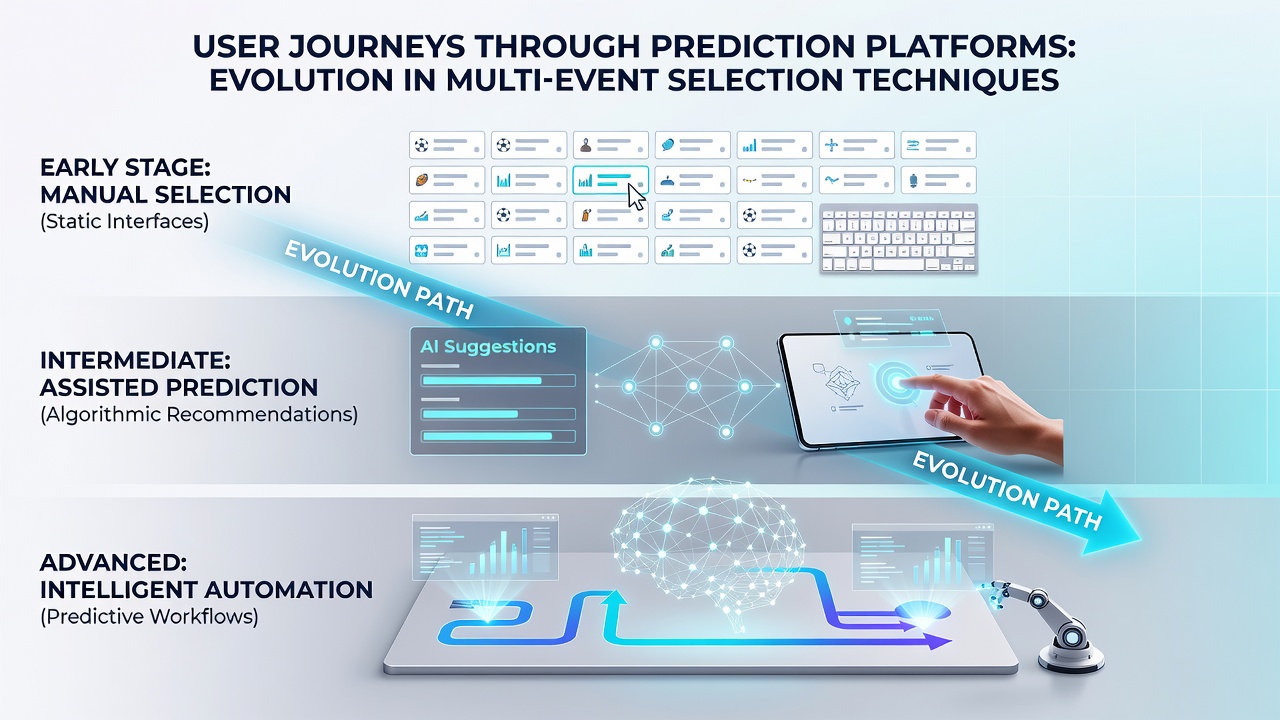
Further along these journeys, multi-event techniques extended beyond single domains. Data logs reveal users linking outcomes from distinct categories, such as pairing team-based results with individual performance markers or timing elements from separate competitions. In July 2026, aggregated platform statistics highlight a rise in selections spanning three or more categories, supported by algorithmic suggestions that surface compatible pairings based on correlation scores. Those who progressed to this level frequently revisited earlier choices to adjust parameters, creating iterative loops visible in usage histories. Industry reports compiled by groups like the American Gaming Association note parallel trends in user engagement metrics during this expansion phase.
Role of Platform Features in Technique Refinement
Built-in simulation tools and outcome preview functions accelerated refinement of selection strategies. Participants accessed real-time probability recalculations as events were added or removed, which encouraged experimentation with risk distribution across the full set. Observers tracking these interactions report that users developed preferences for certain weighting systems, where some prioritized balance across categories while others targeted concentration in specific sub-sectors. By mid-2026 these features had become standard, with update logs showing frequent additions of customizable filters that mirrored advanced statistical models previously available only through separate software.
Longitudinal User Pathways
Long-term tracking of individual accounts illustrates distinct progression arcs. Newer participants typically begin with limited selections and expand scope after several completed cycles. More experienced users demonstrate consistent application of multi-stage verification, including review of historical platform data and adjustment based on recent outcome distributions. Patterns extracted from these journeys indicate that technique evolution correlates with exposure to diverse event types rather than repetition within narrow bands. This progression appears in aggregated anonymized datasets released periodically by platform operators, underscoring measurable changes in complexity metrics over successive quarters.
Conclusion
Platform records through July 2026 establish that user journeys on prediction sites have produced measurable advancement in multi-event selection methods. From initial simple pairings, participants have moved toward integrated, data-supported frameworks that span categories and incorporate iterative refinement steps. These developments emerge directly from interface capabilities and logged behavioral sequences, providing clear documentation of technique maturation without reliance on external speculation. Continued monitoring of these pathways supplies ongoing insight into how selection processes adapt alongside platform enhancements.